
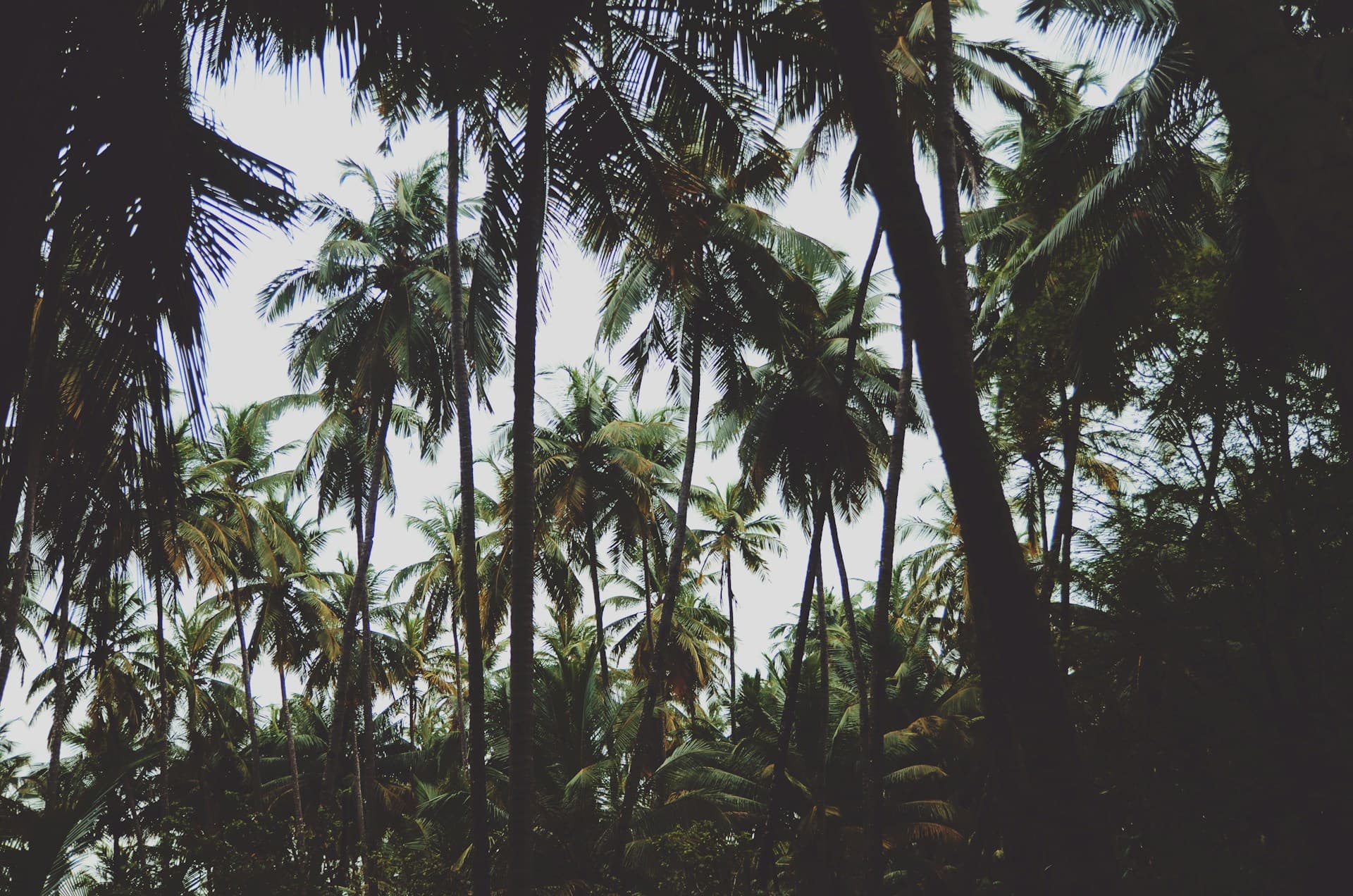
Nature Made It.
We Didn't Compromise It.
Coir is one of the world's most sustainable natural fibres — renewable, biodegradable, and carbon-sequestering. Our commitment is simple: deliver that natural advantage to customers worldwide, without any shortcuts.
Our Sustainability Pillars
Four environmental advantages built into every coir product we manufacture.
Renewable Resource
Coconut palms produce husks year-round for 60–80 years without replanting. Coir is extracted from a part of the fruit that was historically burned as agricultural waste — we turn that waste into premium products, creating value without consuming new resources.
Carbon Sequestration
Coconut palms actively sequester CO₂ throughout their long lifespan. Our products lock that carbon in durable fibre form. When coir eventually biodegrades at end of life, it enriches soil rather than adding to landfill — completing a natural cycle with zero synthetic intervention.
Zero Synthetic Inputs
Our manufacturing process uses no synthetic chemicals, bleaches, or artificial treatments. Water used in retting is managed responsibly. Every product that leaves our facility is as close to nature as the day the coconut was harvested — a commitment that cannot be compromised.
Agricultural Waste Valorisation
Coir industry converts coconut husks — a by-product of coconut farming — into valuable materials. Without coir processing, these husks are burned or left to decompose, releasing CO₂. Our work directly reduces agricultural waste while generating income for farmers across Tamil Nadu.
From Husk to Product
The natural journey of coir — from the palm tree to your hands.
Coconut Harvesting
Coconut palms naturally produce fruit for 60+ years. Husks are harvested alongside coconut meat and shell.
Husk Collection
Husks from local Tamil Nadu farms — transported short distances to our Kangayam facility, minimizing transport emissions.
Natural Retting
Husks are soaked in water (traditionally seawater or freshwater) to loosen fibres — no chemicals involved.
Fibre Extraction
Mechanical defibring separates long coir fibre from coco peat (fine particles). Both streams are valuable — nothing is wasted.
Processing & Quality Check
Fibres are dried, graded, and inspected. Coco peat is buffered and compressed. No synthetic additives at any stage.
Export & End of Life
Products ship in recyclable packaging. At end of life, coir naturally biodegrades, enriching soil wherever it is used.
Coir vs. Synthetic Alternatives
| Property | Coir (Kumaran Coirs) | Synthetic Alternatives |
|---|---|---|
| Biodegradable | ✅ Yes — fully | ❌ No — landfill |
| Renewable source | ✅ Annual yield | ❌ Petrochemical |
| Chemical-free | ✅ 100% natural | ❌ Synthetic binders |
| Carbon footprint | ✅ Carbon sequestering | ❌ High production emissions |
| End-of-life | ✅ Enriches soil | ❌ Microplastic risk |
| Regulatory trend | ✅ EU/US preferred | ⚠️ Increasing restrictions |
Source Sustainable. Source Coir.
Request specifications and sustainability documentation for your procurement team.